
Your primary veterinarian is an important part of keeping your dog healthy throughout their life. They handle everything from routine wellness visits to diagnosing and treating many illnesses and injuries.
But sometimes, your dog needs a level of care that goes beyond what a general veterinary practice typically provides.
Veterinary specialists have advanced training in specific areas of medicine and access to specialized diagnostics, surgical techniques, and treatment options. Your primary veterinarian may recommend specialty care, or you may begin looking for a specialist when your dog has an ongoing or complex condition.
So how do you know when it’s time?
Here are seven situations when seeing a veterinary specialist may be the right next step for your dog.
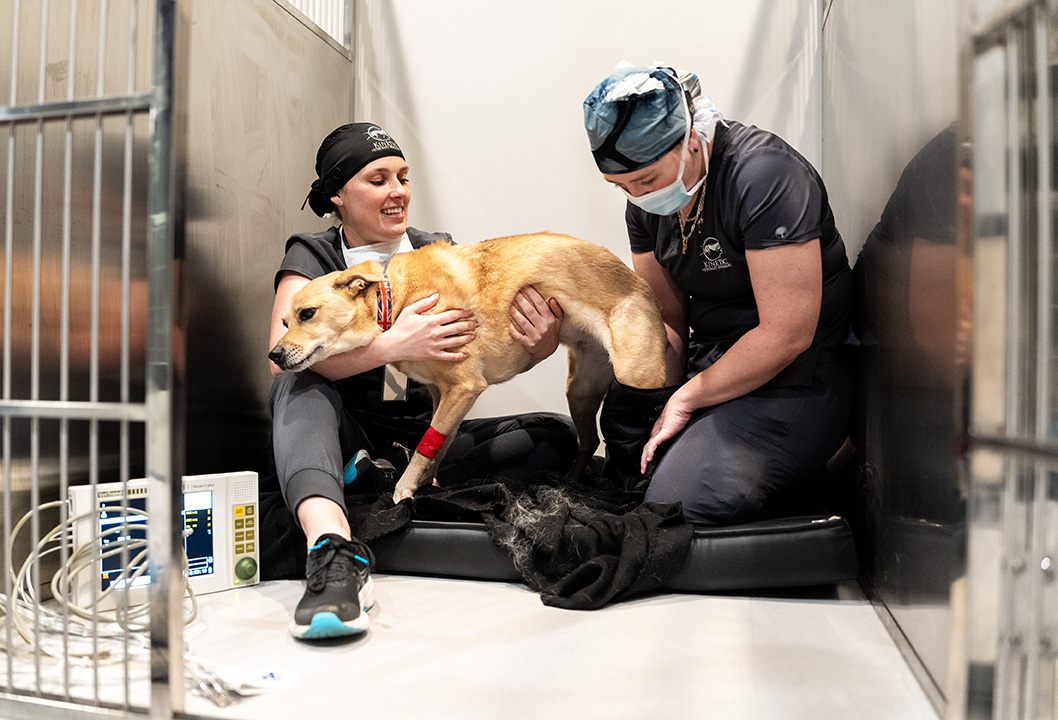
1. Your Dog’s Limping Isn’t Getting Better
An occasional limp after an active day may resolve with rest. But limping that persists, keeps returning, or becomes more noticeable can indicate an orthopedic problem that needs further evaluation.
Possible causes include:
- Cranial cruciate ligament (CCL) injuries
- Hip dysplasia
- Patellar luxation
- Fractures
- Arthritis
- Tendon or ligament injuries
- Developmental orthopedic conditions
A veterinary specialist can perform a detailed orthopedic examination and, when necessary, use advanced imaging to determine what is causing the problem.
If your dog has been limping for more than a day or two, keeps developing the same limp, or suddenly refuses to put weight on a leg, it’s worth having them evaluated.
Related: Why Is My Dog Limping? 8 Common Causes and When to See a Veterinary Specialist
2. Your Dog Has a Complex Orthopedic Injury
Some orthopedic conditions can be managed conservatively, while others may require surgery to restore stability, reduce pain, and help your dog return to normal activity.
One common example is a torn cranial cruciate ligament, or CCL. Depending on your dog’s condition, size, age, and activity level, surgical treatment such as TPLO may be recommended.
Orthopedic specialists have advanced training and experience evaluating these injuries and determining which treatment approach is appropriate for an individual dog.
Related: TPLO Surgery for Dogs: What Pet Owners Need to Know
3. Your Dog Is Showing Neurological Symptoms
Changes in the way your dog walks, stands, or uses their limbs can sometimes originate from the spine or nervous system rather than the legs themselves.
Signs that may indicate a neurological problem include:
- Weakness in one or more legs
- Dragging or knuckling the paws
- Difficulty standing
- Loss of coordination
- Neck or back pain
- Trembling because of pain
- Sudden inability to walk
- Loss of bladder or bowel control
Conditions such as intervertebral disc disease (IVDD) can progress quickly in some dogs. Sudden paralysis, severe pain, or loss of mobility should be treated as an emergency.
A veterinary neurologist or surgeon can help determine where the problem is occurring and whether advanced imaging or surgical treatment is necessary.
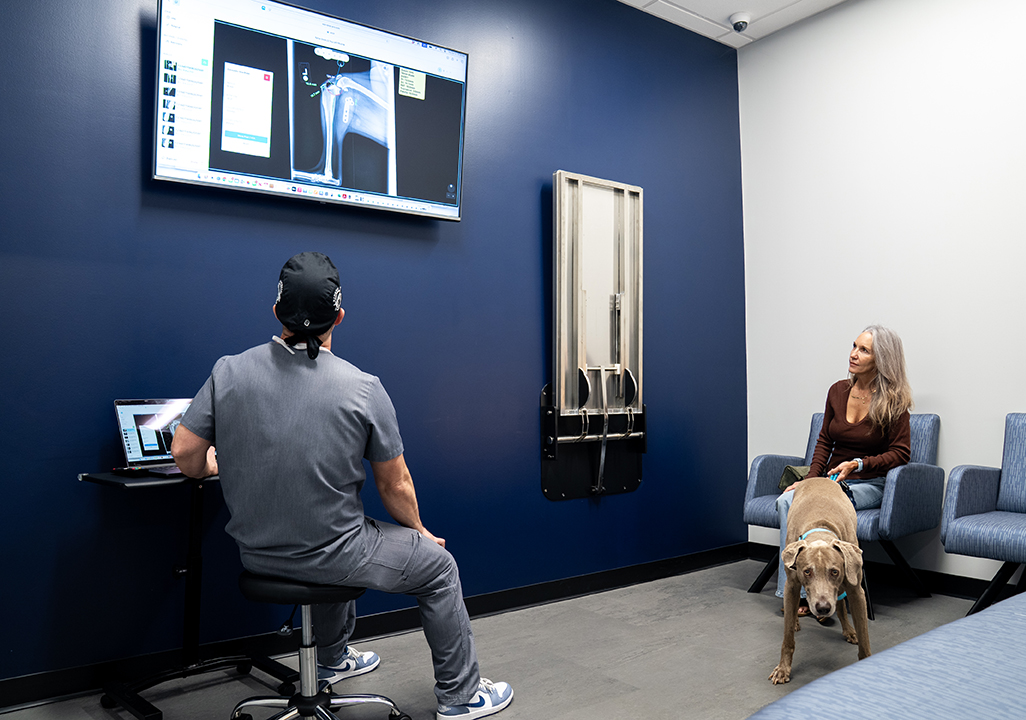
4. Your Dog May Need Advanced Imaging
X-rays are extremely useful, but they cannot show every structure or condition.
Sometimes a veterinarian needs a more detailed look inside the body to understand what is causing a dog’s symptoms. Advanced diagnostic imaging may include CT or MRI depending on the suspected condition.
These tools can be especially helpful when evaluating certain:
- Spinal and neurological conditions
- Complex orthopedic injuries
- Soft tissue abnormalities
- Surgical cases
- Conditions that haven’t been fully explained by previous testing
Advanced imaging can provide specialists with more detailed information when developing a diagnosis and treatment plan.
5. Treatment Hasn’t Resolved the Problem
Sometimes the biggest indication that specialty care is needed is simply that your dog isn’t getting better.
Your dog may have already received medication, rest, physical therapy, or another treatment but continues to experience pain or recurring symptoms.
That doesn’t necessarily mean the original treatment was wrong. Some conditions are difficult to diagnose initially, change over time, or require additional testing before the underlying cause becomes clear.
A specialist can provide another level of evaluation and work alongside your primary veterinarian to determine what should happen next.
6. Your Dog Needs a Specialized Surgical Procedure
Veterinary surgery ranges from relatively routine procedures to highly complex operations requiring specialized equipment and advanced surgical training.
Specialty veterinary surgery may be recommended for conditions involving the bones and joints, spine and nervous system, or internal organs and soft tissues.
Depending on the condition, minimally invasive techniques may also be available. These approaches use specialized instruments and smaller incisions to perform certain procedures.
The appropriate surgical approach depends on your dog’s diagnosis, overall health, and individual needs.
7. Your Veterinarian Recommends a Specialist
A referral doesn’t mean your primary veterinarian is no longer involved in your dog’s care.
In many cases, it’s exactly the opposite.
Primary veterinarians and veterinary specialists often work together. Your regular veterinarian knows your dog’s medical history and ongoing health needs, while the specialist provides additional expertise for a particular condition or procedure.
After specialty treatment, information can be shared with your primary veterinarian so your dog’s care remains coordinated.
Do You Need a Referral to See a Veterinary Specialist?
Not always.
Depending on the specialty practice and the type of care your dog needs, you may be able to schedule an evaluation directly. In other situations, your primary veterinarian may recommend a referral and send your dog’s medical records, laboratory results, X-rays, or other diagnostic information ahead of the appointment.
If you’re unsure, contact the specialty hospital and ask what information they need before your visit.
Is It Worth Traveling for Specialty Veterinary Care?
For many families, the veterinary specialist their dog needs isn’t located in their immediate community.
Traveling for specialty veterinary care can provide access to advanced diagnostics, specialized surgical procedures, rehabilitation, and clinicians with extensive experience treating complex conditions.
If you’re considering traveling for your dog’s care, ask the specialty hospital what records or imaging should be sent beforehand. Providing this information in advance may help the veterinary team better prepare for your dog’s appointment.
Specialty Veterinary Care at Kinetic Veterinary Specialists
Kinetic Veterinary Specialists provides advanced specialty care for dogs and cats at our hospital in Clermont, Florida.
Our services include orthopedic surgery, neurosurgery, soft tissue surgery, advanced diagnostic imaging, sports medicine and rehabilitation, and anesthesia.
We work closely with pet owners and referring veterinarians to provide coordinated care based on each patient’s individual needs.
Whether you’re located nearby or traveling from another part of Florida for specialized veterinary care, our team can help you understand what to expect before your visit.
Does your dog need specialty veterinary care? Contact Kinetic Veterinary Specialists to discuss your pet’s needs or request an appointment.
Frequently Asked Questions
What is the difference between a regular veterinarian and a veterinary specialist?
Primary care veterinarians diagnose and treat a wide range of health conditions and provide routine and preventive care. Veterinary specialists complete additional advanced training in a specific area of veterinary medicine, such as surgery, neurology, internal medicine, or another specialty.
When should I take my dog to a veterinary specialist?
Specialty care may be appropriate when your dog has a complex injury or condition, persistent symptoms, neurological problems, needs advanced diagnostic imaging, may require specialized surgery, or has been referred by their primary veterinarian.
Can I take my dog directly to a veterinary specialist?
Policies vary by veterinary hospital and specialty. Some specialty practices accept appointments directly from pet owners, while other situations may involve a referral from your primary veterinarian. Contact the hospital before scheduling to determine what records or referral information are needed.
Should I travel for veterinary specialty care?
Travel may be worth considering when the expertise, diagnostics, or treatment your dog needs aren’t available locally. Before traveling, speak with the specialty hospital about your dog’s condition and which medical records or imaging should be provided.
What should I bring to a veterinary specialist appointment?
Bring or arrange to have your dog’s relevant medical records, medication list, laboratory results, previous imaging, and treatment history available to the specialty team. The hospital can tell you whether additional information is needed before your appointment.