1600 S Grand HWY, Clermont, FL 34711

When every movement matters, precision makes the difference

Advanced veterinary neurosurgery guided by compassion, accuracy, and calm communication.

Advanced
Neurologic Care

Neurologic injuries and spinal conditions can feel overwhelming, especially when your pet suddenly loses mobility or coordination. At Kinetic Veterinary Specialists, our team provides advanced diagnostics and neurosurgical solutions designed to relieve pressure, restore function, and give families clarity during stressful times.

Our specialists use precise imaging, minimally invasive techniques, and integrated rehabilitation to help pets recover strength and confidence. From initial evaluation to recovery, we walk you through every decision with honesty and empathy.

Conditions We Treat

Our hospital manages a full range of neurological and spinal disorders, including:

Intervertebral Disc Disease (IVDD)

Cervical, thoracic, and lumbar disc herniations managed with advanced imaging and decompression surgery when indicated

Spinal Fractures and Luxations

Stabilization procedures restoring alignment and protecting the spinal cord

Congenital and Developmental Malformations

Atlantoaxial instability, hemivertebra, and other structural spinal conditions

Nerve Root Compression and Tumors

Diagnostic imaging and surgical options to remove or decompress affected tissues

Peripheral Nerve Injury and Lameness Evaluation

Diagnosis and management for trauma-related or degenerative nerve conditions

Each case begins with a thorough neurologic exam and imaging, followed by a clear discussion of options, prognosis, and expected recovery time.

The Kinetic Difference

Precise Imaging and Diagnosis

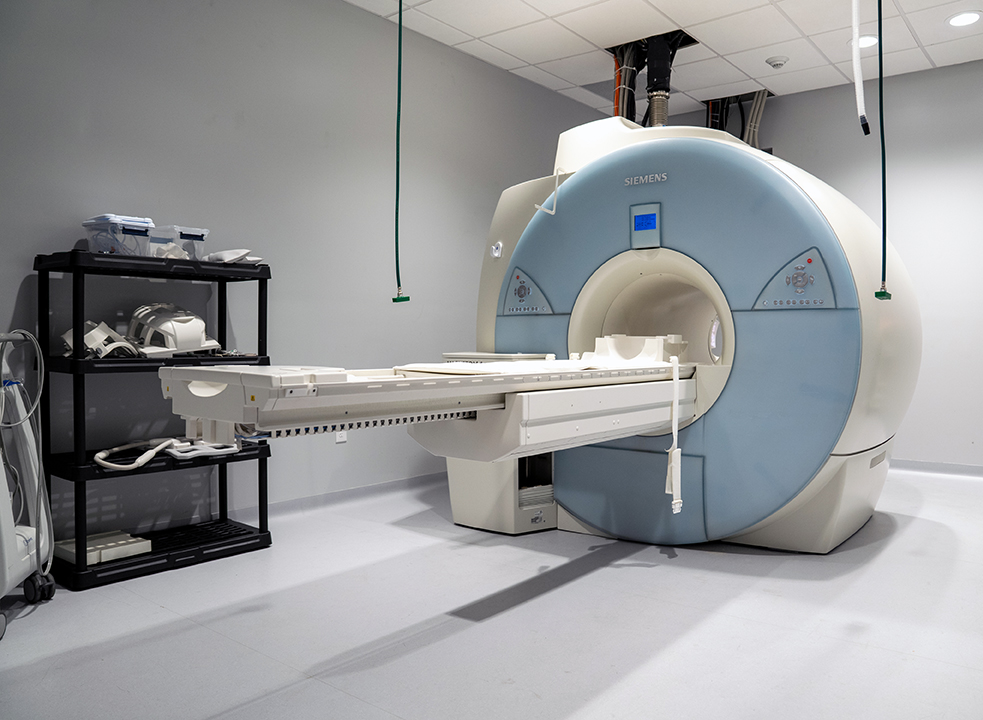
MRI, CT, and fluoroscopy provide detailed insight into spinal structures, allowing for accurate localization before any surgery is planned.
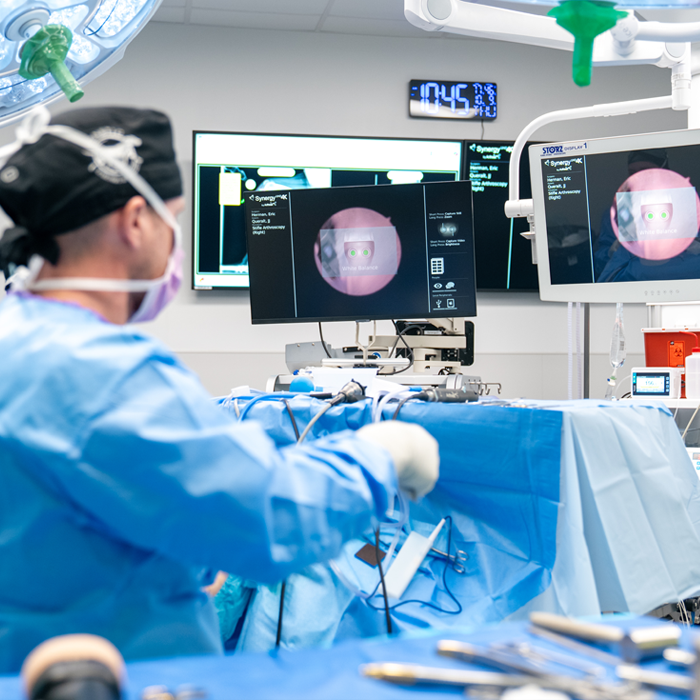
Minimally invasive surgery in orthopedics and soft tissue

Minimally Invasive Techniques

Whenever possible, we use smaller incisions and advanced surgical tools to minimize trauma, shorten recovery, and improve comfort.
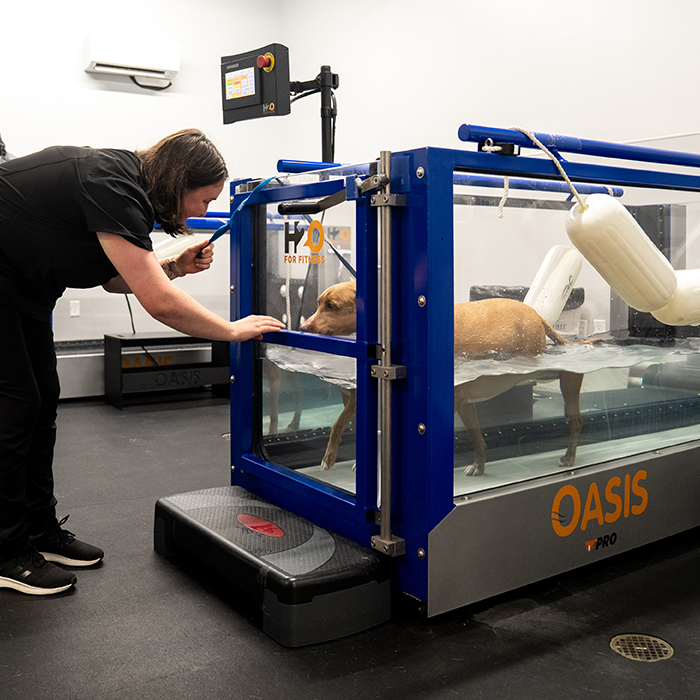
Sports medicine and pet rehabilitation

Integrated Rehabilitation

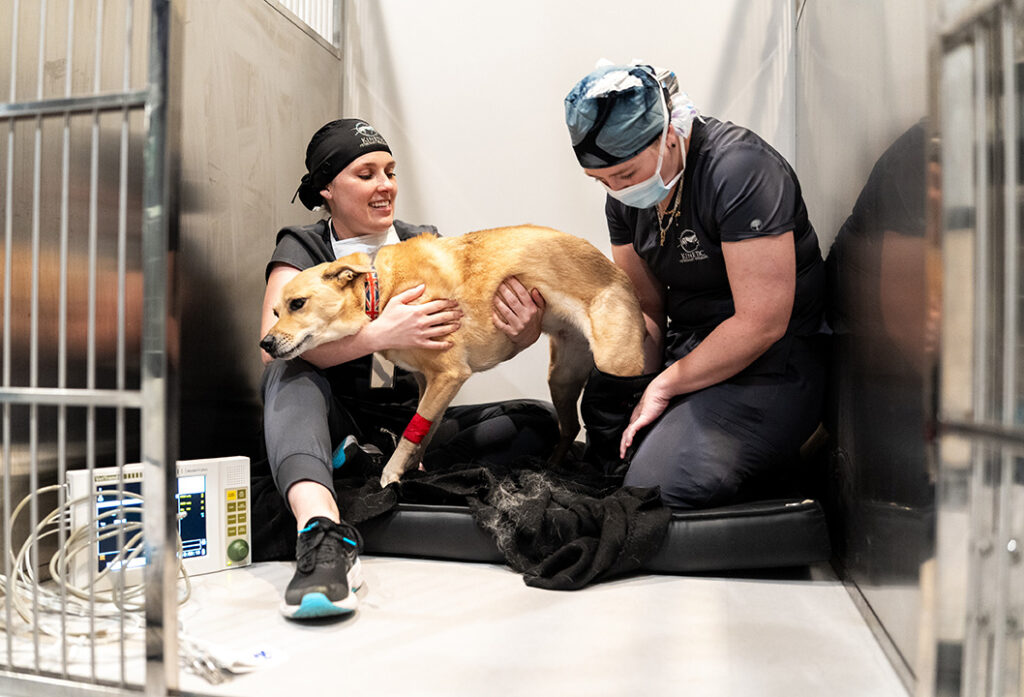
Post-surgical recovery begins early with targeted physical therapy, laser, and underwater treadmill therapy to rebuild muscle and improve coordination.
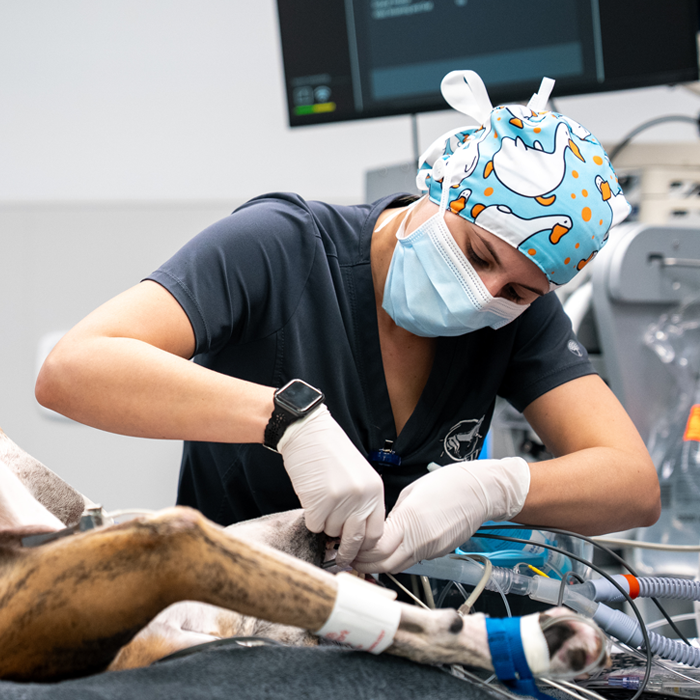
Expert anesthesia

Continuous Communication

Families and referring veterinarians receive timely updates and clear written summaries at every stage of care.
What Recovery Looks Like

Recovery timelines vary depending on the diagnosis and degree of neurologic injury, but most pets begin therapy within days of surgery.

Typical recovery plan includes:

  • Strict rest during initial healing phase (2–4 weeks)

  • Gradual introduction of controlled movement and assisted standing

  • Rehabilitation to rebuild proprioception, muscle tone, and stability

  • Home care instructions and recheck imaging as needed

Throughout recovery, we monitor progress closely and adjust the plan for each pet’s specific needs.

When to Seek Neurologic Evaluation

Prompt evaluation is essential if your pet shows any of the following:

  • Sudden loss of balance or coordination

  • Difficulty standing, walking, or climbing stairs

  • Dragging hind limbs or crossing legs while walking

  • Crying out or reacting to touch along the spine

  • Sudden incontinence or loss of tail movement

Early intervention improves the chances of full recovery and prevents further spinal damage.

Collaboration with Your Veterinarian

We maintain open communication with your primary care veterinarian to ensure seamless coordination of diagnostics, surgery, and aftercare. Together, we create a treatment plan that balances expertise, compassion, and your pet’s comfort.