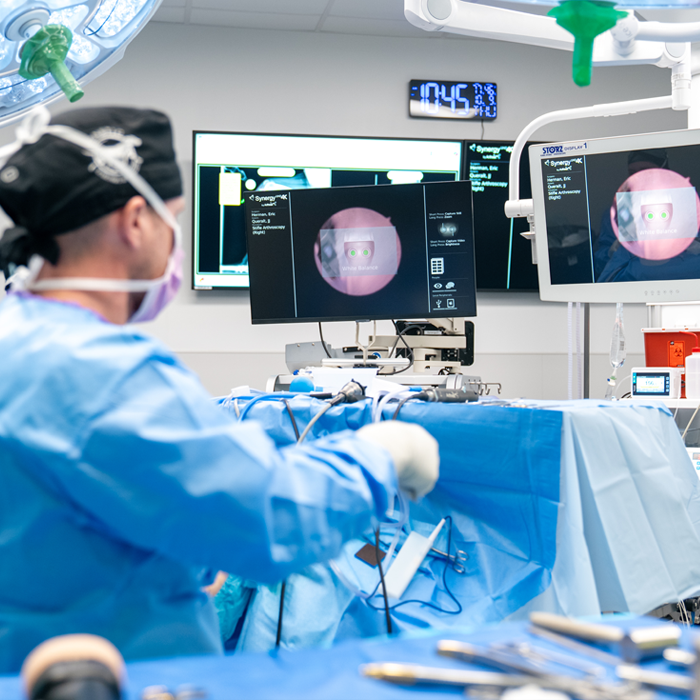
Helping pets move, play, and live without pain
Advanced orthopedic surgery with minimally invasive precision, faster recovery, and compassionate guidance every step of the way.
Restoring Confident Movement
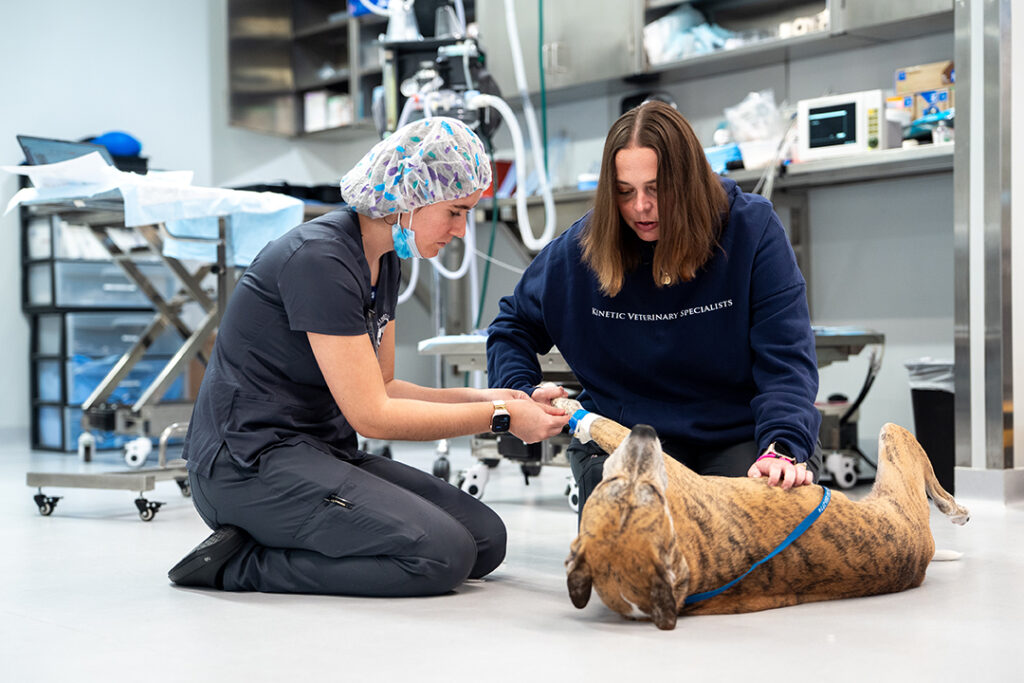
Mobility is freedom — and when pain or injury takes that away, it affects the whole family. At Kinetic Veterinary Specialists, our orthopedic team helps pets regain comfortable, confident movement through precise diagnostics, minimally invasive surgery, and personalized rehabilitation.
Our specialists treat orthopedic conditions ranging from cruciate ligament tears to complex fractures. Every case begins with a complete exam, advanced imaging, and a transparent conversation about options, recovery time, and cost — so you can make informed decisions with confidence.
Conditions We Treat
We handle a full spectrum of orthopedic issues with both surgical and non-surgical options when appropriate:
Cruciate ligament (CCL) tears and instability
Patellar luxation (kneecap dislocation)
Corrective surgery to restore alignment and prevent re-injury.
Fractures and trauma repair
Internal and external fixation, minimally invasive plating, and biologic support for healing.
Joint disease and dysplasia
Elbow and hip dysplasia, osteochondritis dissecans (OCD), and degenerative joint disease.
Angular limb deformities
Precise correction using imaging-guided planning.
Total joint replacement
When indicated, we offer total hip or elbow replacement for advanced degenerative conditions.
Each plan is designed to reduce pain, restore function, and minimize downtime through meticulous technique and evidence-based recovery protocols.
The Kinetic Difference

Minimally Invasive by Design
We use arthroscopy and advanced fixation systems to make smaller incisions, resulting in less tissue trauma, reduced swelling, and quicker return to function.
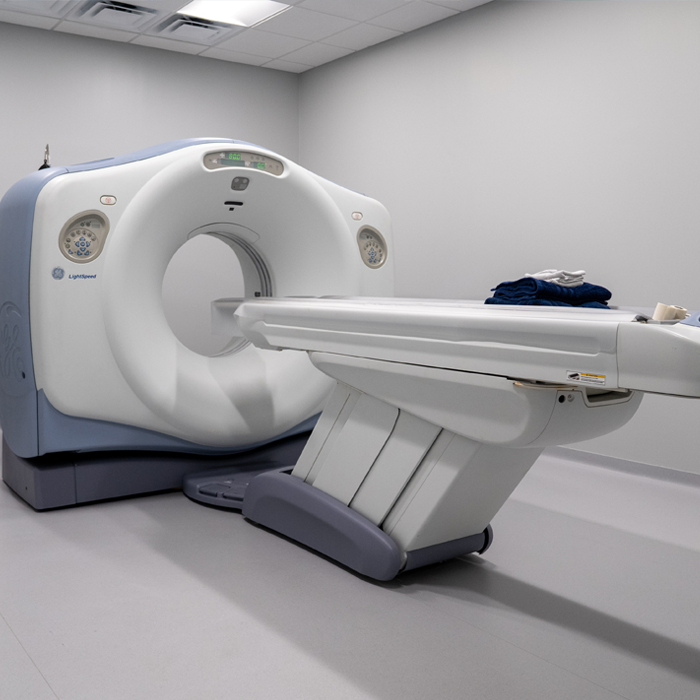
Accurate Planning with Advanced Imaging
CT and digital radiography guide every surgical decision, from implant selection to incision placement, improving precision and outcomes.
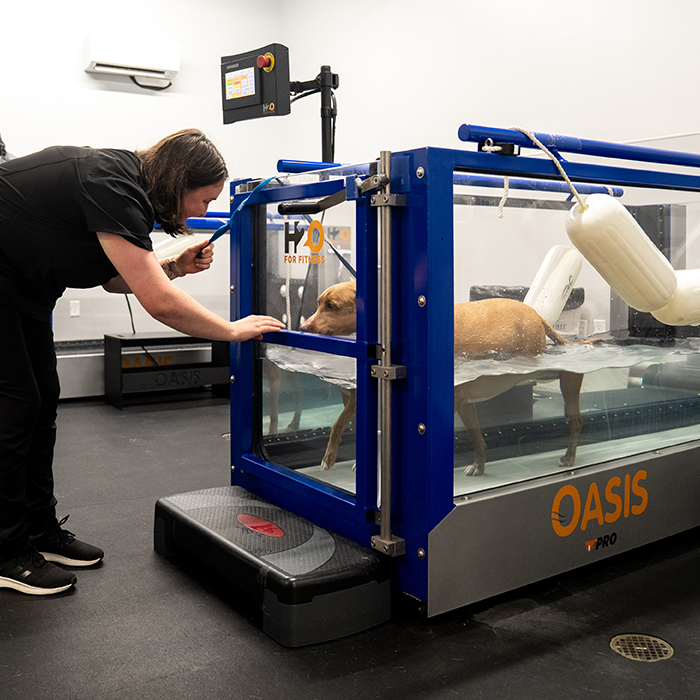
Integrated Rehabilitation
Rehabilitation begins immediately after surgery — often the same week — to maintain joint mobility, muscle tone, and confidence.
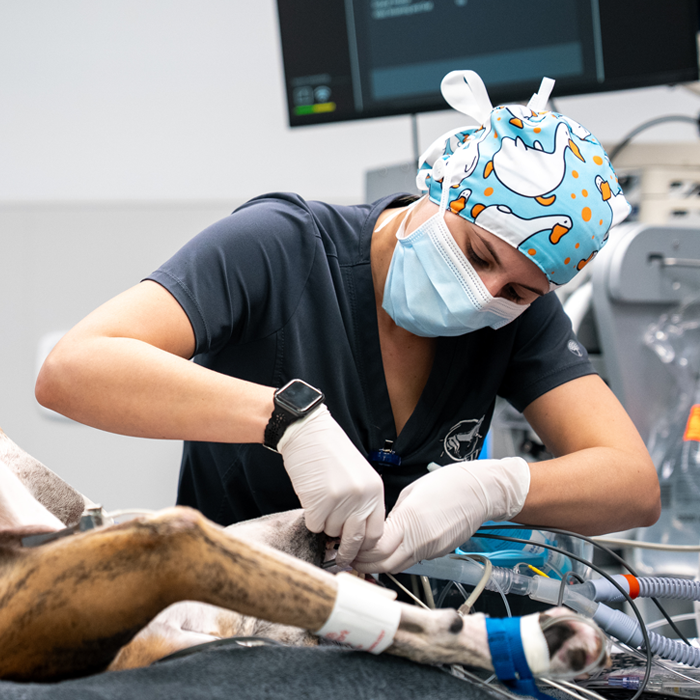
Transparent Communication
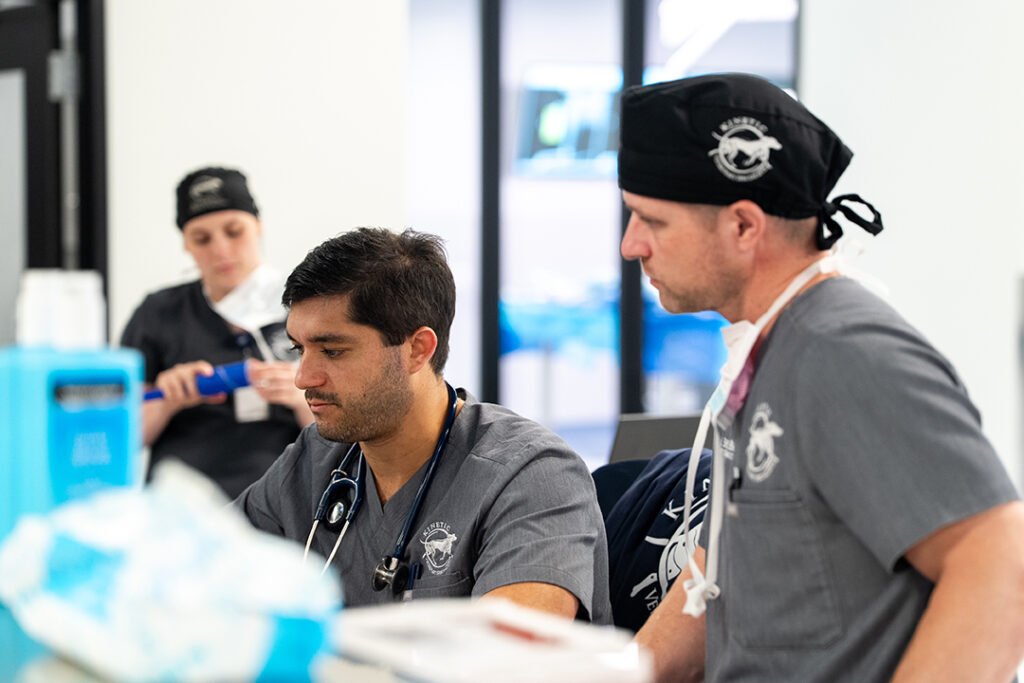
From diagnosis to discharge, we explain each step clearly and collaborate closely with your primary veterinarian for ongoing support.
Aftercare and Recovery
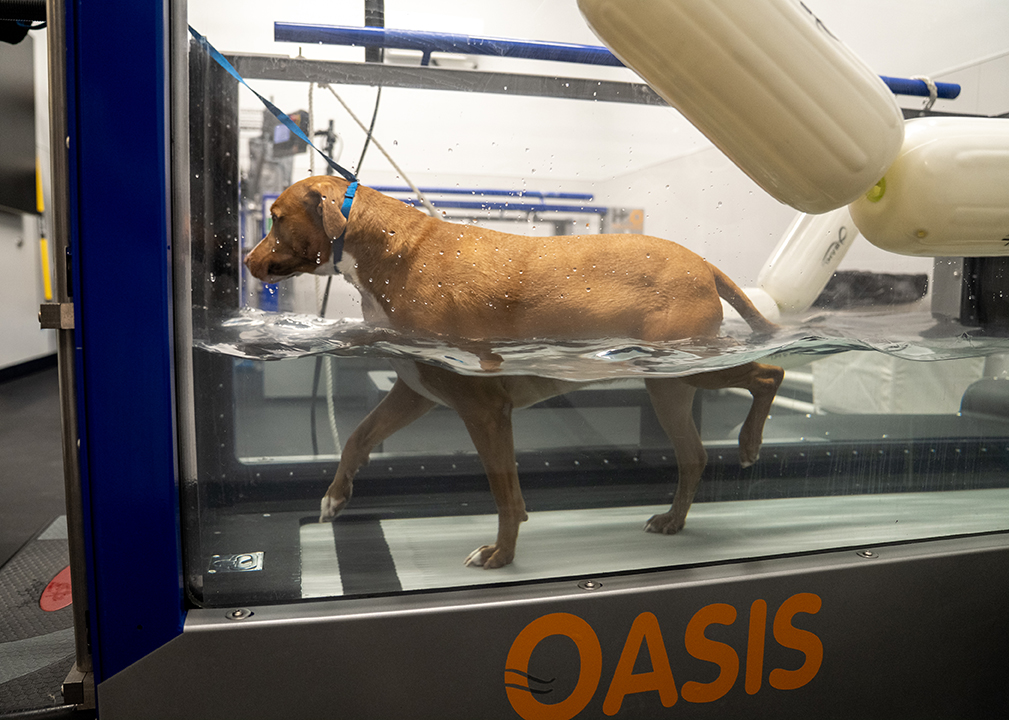
We guide families through recovery with detailed home instructions, scheduled rechecks, and access to in-house physical therapy and pain management. You’ll know exactly what to expect at every stage — no surprises.
A typical recovery plan includes:
Controlled activity and confinement for 8–12 weeks
Gradual reintroduction to exercise with structured progressions
Laser therapy, underwater treadmill, or shockwave therapy as appropriate
Optional follow-up imaging to confirm healing before return to normal activity.
When to Consider Orthopedic Surgery
If your pet shows these signs, schedule a consultation:
Limping or favoring one leg
Difficulty standing, climbing stairs, or jumping
Muscle loss in one limb
Audible clicking or instability in joints
Persistent stiffness or pain after rest
Early intervention often prevents secondary injuries and speeds long-term recovery.
Collaborating with Your Veterinarian
We value strong partnerships with referring veterinarians. Reports, imaging, and recommendations are shared quickly to keep continuity of care seamless. Together, we ensure your pet receives coordinated, compassionate treatment at every phase.